

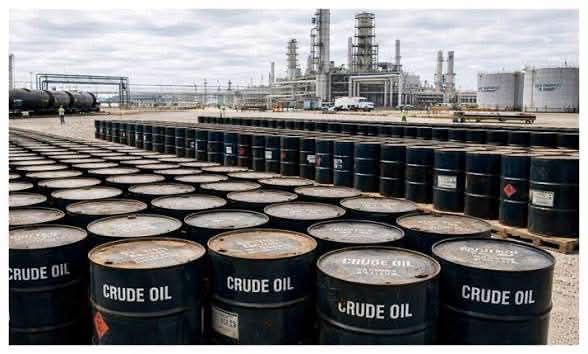
Global crude oil prices have declined to about $70 per barrel, drawing the attention of economic analysts and many Nigerians due to the significant impact crude oil prices have on the cost of petrol.
Energy experts say that if global crude oil prices continue to fall, the cost of producing refined petroleum products could also decrease.
However, they cautioned that this does not necessarily mean petrol prices in Nigeria will drop immediately.
According to analysts, the retail price of petrol in Nigeria is not determined solely by the price of crude oil.
Other key factors include the exchange rate of the naira against the US dollar, importation costs, shipping and insurance charges, taxes, distribution expenses, and the country’s deregulated petroleum market.
They added that if the naira strengthens against the dollar while crude oil prices continue to decline, there is a possibility that fuel importers and domestic refineries could reduce the pump price of petrol to reflect market realities.
However, experts also noted that if the exchange rate continues to weaken or transportation and logistics costs increase, Nigerians may not fully benefit from the decline in global crude oil prices.
For now, many Nigerians are closely monitoring developments in the global energy market, hoping that sustained lower crude oil prices will eventually translate into cheaper petrol, reduced transportation costs, and lower prices of goods and services across the country.
In your opinion, if global crude oil prices continue to fall, what do you think the pump price of petrol should be in Nigeria? Share your thoughts in the comments.

